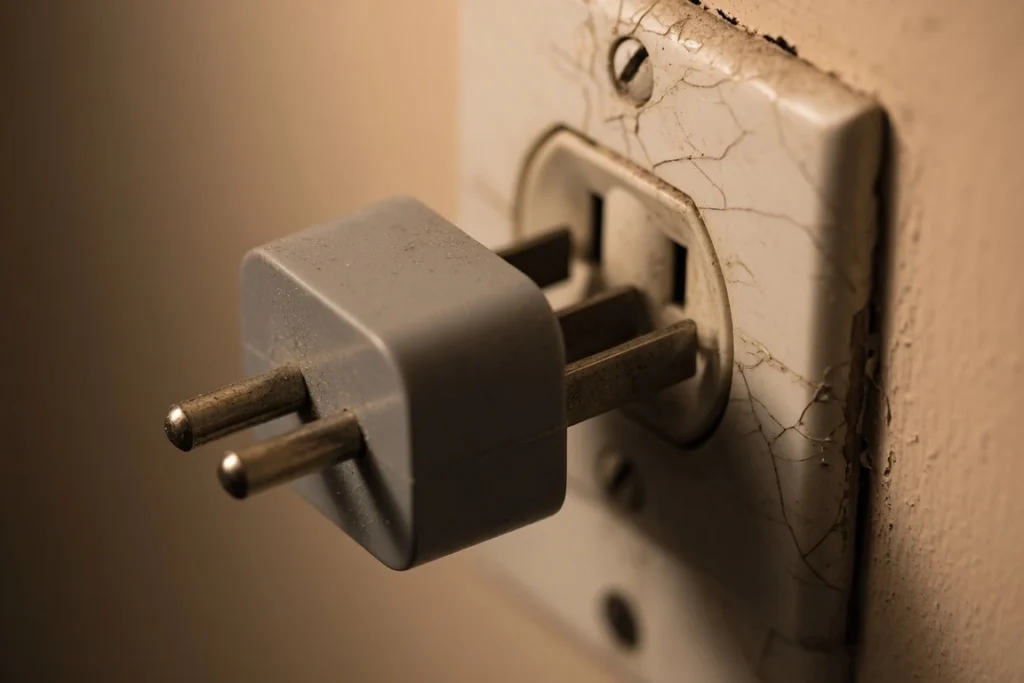
Homeowners rely on electrical outlets every single day, yet outlets stay one of the most overlooked parts of the house. Most people never give them a second thought — until something goes wrong. But outlets wear out. Decades of plugging and unplugging, loose connections, outdated wiring, and changing safety codes all take their toll, and a failing receptacle is more than an inconvenience. A worn or damaged outlet can become a real fire, shock, and electrocution hazard.
At J. Christie Electrical Contractor LLC, we handle electrical outlet replacement for homes and businesses across Northern New Jersey, and the same warning signs show up again and again. Here’s how to tell when your outlets have reached the end of their service life — and why it’s worth acting before a small problem becomes a dangerous one.
The Outlet Has Stopped Working
The most obvious sign is a dead outlet. If a receptacle stops powering your devices — whether it’s a single outlet or several in a row — there’s an underlying issue worth diagnosing. Sometimes it’s a tripped breaker or a wiring fault behind the wall; other times the outlet itself has failed. A licensed electrician can trace the cause and replace what’s worn out instead of guessing.
You Still Have Two-Prong (Ungrounded) Outlets
Older Northern NJ homes are full of two-prong outlets, and they’re a problem worth solving. These ungrounded receptacles offer no path to safely carry a fault to ground, which raises the risk of shock, fire, and damage to your electronics. They also stop you from properly plugging in modern three-prong appliances. Today’s National Electrical Code calls for grounded, three-prong receptacles, and upgrading old two-prong outlets is one of the smartest safety improvements you can make in an older home. Just as important: never “fix” a two-prong outlet by swapping in a three-prong one without a real ground — that only hides the hazard.
The Outlet Is Hot to the Touch or Shows Burn Marks
An outlet should never feel warm. Loose, damaged, worn, or incorrectly wired connections can make a receptacle heat up, and that heat is a sign of trouble behind the wall — trouble that can start an electrical fire. If an outlet feels hot, smells like burning, or shows scorch marks, stop using it immediately and have it inspected. This is not a wait-and-see situation.
Plugs Fall Out Easily
The small metal contacts inside an outlet grip the prongs of your plug. Over years of use, those contacts loosen, and plugs start sliding out on their own. A loose plug is more than annoying — a poor connection can cause arcing and sparking inside the outlet. When cords no longer stay put, the receptacle has worn out and should be replaced.
Cracks, Chips, Discoloration, or Sparking
Visible damage is a clear signal. Cracked or chipped faceplates, discoloration, and dark burn marks all point to an outlet that’s past its prime. And if you notice a spark, smoke, or a burning smell when you plug something in, treat it as urgent and call a professional right away.
Flickering or Intermittent Power
If devices flicker or cut in and out when plugged into a certain outlet, the receptacle may be failing to deliver steady power. Worn or outdated outlets — and sometimes a problem at the panel — can cause this. (If the flickering shows up across your lights too, our guide on why your lights flicker is worth a read.) An electrician can check both the outlet and your electrical panel to find the root cause and prevent short-circuiting.
A GFCI Won’t Reset — or the Test Button Fails
If you have outlets with TEST and RESET buttons (GFCI or AFCI receptacles), they protect against shock and fire in areas near water. According to the Electrical Safety Foundation International, these should be tested monthly. Press TEST — the outlet should cut power; press RESET — it should restore it. If it won’t trip or won’t reset, the device is malfunctioning and needs to be replaced. As a rule of thumb, GFCI outlets more than 10–15 years old are worth replacing even if they still seem to work.
Old Age
Even outlets that look fine wear out internally. If your home is decades old and still has its original receptacles, age alone is a good reason to have them evaluated. Older outlets often hide loose connections and brittle wiring that aren’t visible from the front plate.
Modern Outlets Are Safer — and Worth the Upgrade
Replacing a worn outlet is also a chance to upgrade to safer, more convenient technology. Here’s a quick look at the options a licensed electrician can install:
|
Outlet Type |
What It Does |
Best Locations |
|
Grounded (3-prong) |
Provides a safe path for electrical faults |
Throughout the home |
|
GFCI |
Cuts power instantly when it detects a ground fault |
Kitchens, bathrooms, garages, outdoors |
|
AFCI |
Detects dangerous arcing that can cause fires |
Bedrooms, living areas |
|
Tamper-Resistant |
Built-in shutters block foreign objects |
Homes with young children |
| USB / USB-C | Charges devices directly, no adapter needed | Kitchens, bedrooms, home offices |
Upgrading during a replacement means you get better protection now and fewer headaches later — and it keeps your home in step with current safety standards.
A Quick Word on DIY
Swapping an outlet may look simple, but it involves live wiring, correct grounding, and code compliance. A miswired receptacle can leave a hazard hidden behind the wall — and an ungrounded GFCI must be labeled and installed correctly to actually protect you. For anything beyond the most basic swap, it’s safer and faster to bring in a licensed pro. Our residential electrical services team handles outlet replacement and upgrades the right way the first time.
Replace Worn Outlets with J. Christie Electric
A failing outlet is one of those small problems that’s easy to ignore and expensive to regret. If you’ve spotted any of the warning signs above — a hot receptacle, a loose plug, two-prong outlets, or a GFCI that won’t reset — don’t wait for it to get worse.
- Christie Electrical Contractor LLC has served Northern New Jersey for 20+ years, fully licensed (NJ Electrical Contractor #17914), bonded, and insured. We’ll inspect your electrical outlets, replace what’s worn, and upgrade you to safer modern receptacles. Call (201) 310-5402 and ask for Jason, or contact us for a free assessment.
Frequently Asked Questions
How long do electrical outlets last?
Most outlets last 15–25 years, but heavy use, loose plugs, or warmth can shorten that. GFCI outlets often need replacing every 10–15 years.
Is a warm electrical outlet dangerous?
Yes. A hot outlet signals loose or damaged wiring behind the wall and can lead to an electrical fire. Stop using it and have it inspected right away.
Should I replace two-prong outlets in my older home?
It’s strongly recommended. Ungrounded two-prong outlets raise the risk of shock and fire, and upgrading to grounded three-prong receptacles is a major safety improvement.
Why does my plug keep falling out of the outlet?
The internal contacts have worn loose, so they no longer grip the prongs. A loose connection can cause arcing, so the outlet should be replaced.
Can I replace an electrical outlet myself?
Basic swaps are possible, but live wiring, grounding, and code compliance make it risky. For GFCIs, ungrounded circuits, or any sign of damage, a licensed electrician is the safer choice.